
"leather dyeing"
2500 article(s) found

History and culture of coffee in El Salvador
A brief History of Coffee production in 1742, coffee was introduced to El Salvador from the Caribbean (1740). In the mid-19th century, El Salvador's original export pillar Indigo (one of the dyes) received a gradual decline in the development of synthetic dyes in Europe, and coffee gradually became the main export product under the guidance of the government. In 1856, the first 693 bags of coffee beans were shipped to Europe. all long
Brief History and present situation of Coffee production
A brief History of Coffee production in 1742, coffee was introduced to El Salvador from the Caribbean (1740). In the mid-19th century, El Salvador's original export pillar indigo (Indigo, a kind of dye) industry received a gradual decline in the development of synthetic dyes in Europe, and coffee gradually became the main export product under the leadership of the government. In 1856, the first 693 bags of coffee beans were shipped to Europe.

Brief introduction of coffee production in El Salvador
A brief History of Coffee production in 1742, coffee was introduced to El Salvador from the Caribbean (1740). In the mid-19th century, El Salvador's original export pillar Indigo (one of the dyes) received a gradual decline in the development of synthetic dyes in Europe, and coffee gradually became the main export product under the guidance of the government. In 1856, the first 693 bags of coffee beans were shipped to Europe. all long
A brief history of coffee production in El Salvador
A brief History of Coffee production in 1742, coffee was introduced to El Salvador from the Caribbean (1740). In the mid-19th century, El Salvador's original export pillar Indigo (one of the dyes) received a gradual decline in the development of synthetic dyes in Europe, and coffee gradually became the main export product under the guidance of the government. In 1856, the first 693 bags of coffee beans were shipped to Europe. all long
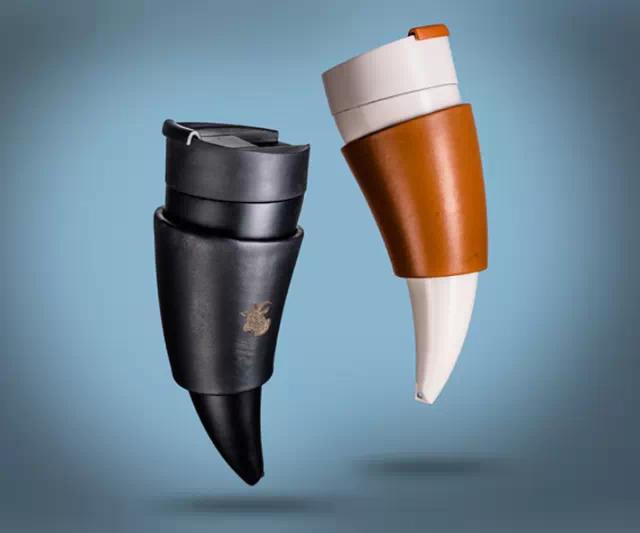
Unlimited creativity, what I drink is not coffee, but a cup!
Goat horn coffee cup Email Coffee for the coming year of the Goat, the goat horn coffee cup (Goat Mug) is definitely a grass gift for coffee lovers. The design idea of this coffee cup was initiated by Anze Miklavec, a young entrepreneur from Slovenia, to pay tribute to the goat who first discovered coffee. The leather cup cover on the outside of the cup can be used when it is removed.

A brief History of Coffee production in El Salvador
A brief History of Coffee production in 1742, coffee was introduced to El Salvador from the Caribbean (1740). In the mid-19th century, El Salvador's original export pillar Indigo (one of the dyes) received a gradual decline in the development of synthetic dyes in Europe, and coffee gradually became the main export product under the guidance of the government. In 1856, the first 693 bags of coffee beans were shipped to Europe. all long

Coffee recycling What is the use of coffee grounds
Coffee is full of treasure. Coffee grounds that are usually brewed at home or left in the company pantry are of great use. Today, I want to tell you what the coffee grounds are for. Understand the use of coffee grounds, conducive to low-carbon life to give some power. Oh, no teasing, coffee grounds have what use, let do not understand coffee grounds literacy friends. Picture for coffee grounds

Tokyo luxury Cafe and Restaurant GUCCI Coffee chanel Restaurant Herm è s Cafe
Most coffee lovers drink black coffee, or at most a cappuccino or latte with only milk. Most of the cafes in Japan are mainly black coffee, and some old cafes have only one black coffee, and the boss sits leisurely in the shop. When no one is reading, put down the book and make coffee when you have guests. More fashionable cafes will have espresso, but there are not many varieties. Fancy coffee is very popular in boutique cafes in Japan.

Chemex coffee maker operation methods and procedures, home coffee, hand coffee industry must buy classics
For information, please follow the coffee workshop (official Wechat account cafe_style). One of the great pleasures of enthusiasts who make coffee by hand is to toss about. From the bean grinder, the filter cup filter paper to the hand brewing pot, from the thickness of the powder, the temperature of the water to the position of filling water, how to make a cup of coffee to enjoy the hand brewing coffee has always been the pursuit of coffee players. Japanese HARIO and KALITA should

Coffee reaches new heights! It turns out that the real intention of colored flowers is.
The exchange of professional baristas please pay attention to the coffee workshop (Wechat official account cafe_style) recently there is a rainbow wind blowing in the United States. Americans have added dye to all kinds of food, making almost everything that can be eaten colorful, such as rainbow bagels, rainbow bread, rainbow doughnuts and so on. Now, Americans have brought the rainbow wind to a whole new level.

Introduction to the characteristics of El Salvador Himalayan Coffee Flavor description and Grinding Variety producing area
A brief History of Coffee production in 1742, coffee was introduced to El Salvador from the Caribbean (1740). In the mid-19th century, El Salvador's original export pillar Indigo (one of the dyes) received a gradual decline in the development of synthetic dyes in Europe, and coffee gradually became the main export product under the guidance of the government. In 1856, the first 693 bags of coffee beans were shipped to Europe. all long

Introduction to the brief history of Salvadoran coffee.
Professional coffee knowledge exchange more coffee bean information please follow the coffee workshop (Wechat official account cafe_style) A brief history of coffee in El Salvador: in the mid-19th century, El Salvador became independent from Nicaragua after the disintegration of the Union, and its cash crop was mainly locust blue, a crop used to make indigo dyes until the mid-19th century, when chemical dyes were invented.
An introduction to the coffee-producing areas of El Salvador with the name of "the land of volcanoes"
A brief History of Coffee production in 1742, coffee was introduced to El Salvador from the Caribbean (1740). In the mid-19th century, El Salvador's original export pillar Indigo (one of the dyes) received a gradual decline in the development of synthetic dyes in Europe, and coffee gradually became the main export product under the guidance of the government. In 1856, the first 693 bags of coffee beans were shipped to Europe. all long
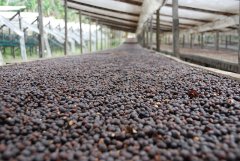
Information Flavor characteristics of St. Vincent Coffee Farm in Narino, Columbia
For the exchange of professional baristas, please follow the coffee workshop (Wechat official account cafe_style) Product name: Colombia Nalinglong St. Vincent Farm washing (Colombia Narino Finca San Vicente Washed) production area: Nalinglong (Narino) producing area Manor: St. Vincent Farm (Finca San Vicente) Variety: Kaddura (Caturra) altitude:
-how to tell the taste of coffee?-Coffee nose to help you.
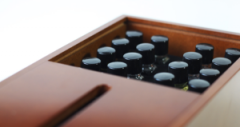
For any coffee roaster, a coffee nose is a necessary training tool.

The perfect combination of rationality and madness-- the demonstration course of Chemex hand Pot
Background: in 1941, the German inventor Peter Schlumbohm designed the Chemex hand punch pot. To this day, its exquisite design still keeps the glass funnel in the upper part and the tapered flask in the lower half connected by a detachable wooden handle and fastened with an exquisite leather rope. This unique design has been praised as the perfect combination of rationality and madness, and has become a close relationship between New York and New York.

Coffee Maker Chemex American Follicle Pot
American Follicle Pot is a coffee pot invented in the United States in 1941 by Dr. Peter J. Schlumbohm, born in Germany. Its design and uniqueness have been recognized, not only as one of the Illinois Institute of Technology's Top 100 Modern Products, but also as a permanent collection of the Smithsonian and the Philadelphia Museum of Art in MoMa, New York.

Coffee pot introduces Chemex American bubble pot
The American follicle pot is a coffee pot invented in the United States by Dr. Peter J.Schlumbohm, who was born in Germany in 1941. Its design and particularity are recognized, not only selected as one of the top 100 Illinois Institute of Technology modern products, but also displayed by MoMa in New York as a permanent collection of Smithsonian and the Philadelphia Museum of Art.

El Salvador Coffee producing area introduces the IzaIco area of Sonsonate Province
In 1742, coffee was introduced to El Salvador from the Caribbean (1740). In the mid-19th century, El Salvador's original export pillar Indigo (one of the dyes) received a gradual decline in the development of synthetic dyes in Europe, and coffee gradually became the main export product under the guidance of the government. In 1856, the first 693 bags of coffee beans were shipped to Europe. Until the second World University.

Retro Steampunk South Africa Truth Cafe Design
Truth Cafe is a very famous and beloved cafe in Cape Town, South Africa. A cursory look at a few pictures shows that this style is a bit similar to steampunk. Yes, this is what designer Haldane Martin took inspiration from steampunk. Designers use a lot of old metal pipes and old machine parts to create a novel mechanical coffee making room itself